

Column of Pride
Social Solidarity, Charity, and Compassion: The Column's Message
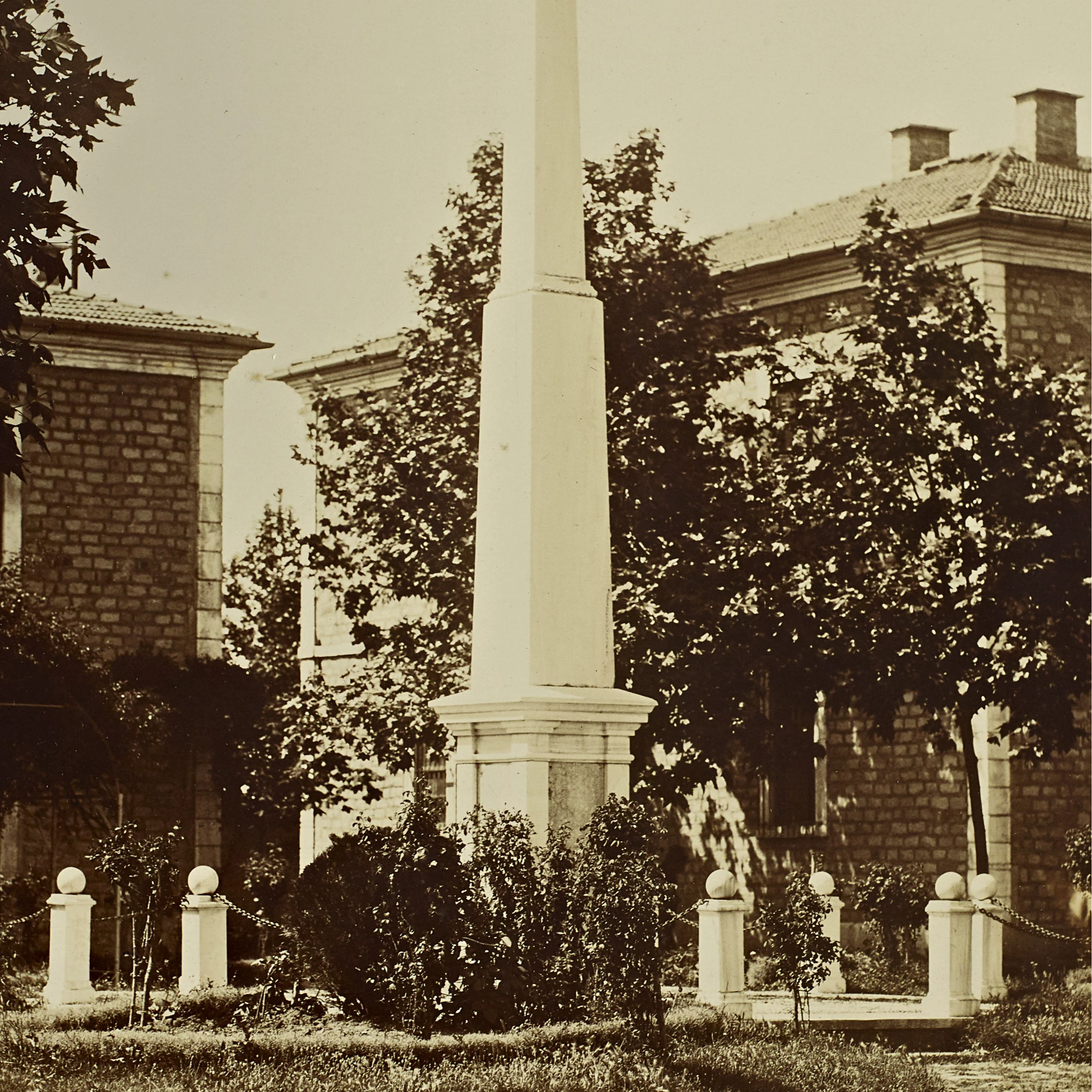
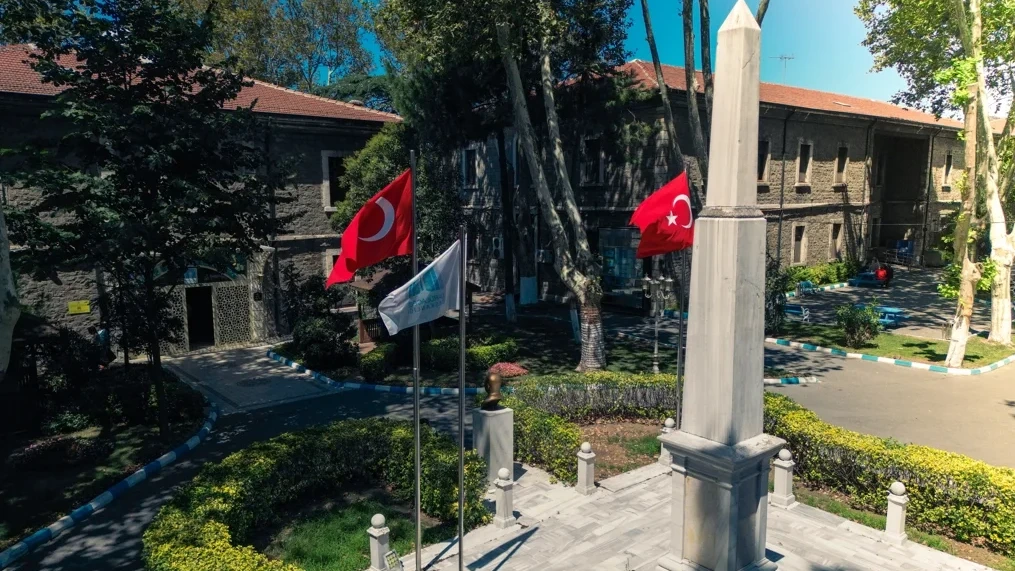
Rising at the very center of the Darülaceze garden, the Mefharet Column (Column of Pride) is a vertical and elegant cylindrical monument. Structurally, the column was constructed either from a single large stone or from multiple stone blocks, and it reflects a balanced line between simplicity and dignity, which is frequently seen in the Ottoman architectural tradition.
Construction Process
The Mefharet Column was designed as the most prominent and symbolic element of the complex during the construction of Darülaceze between 1892 and 1895, and it was erected at the time of the institution’s inauguration. The process—from the laying of the foundation to the delivery of the keys to the Sultan—was meticulously recorded in archival documents and keşf-i sâni registers, allowing both the technical and symbolic aspects of the construction process to be traced.
The Column’s Designer and Architectural Team
It has been determined that the overall architectural project of Darülaceze was drawn by architect Vasilaki Efendi, who also worked on palace and public buildings of the period, and that the implementation was carried out under his leadership and the supervision of the Technical Commission. The design of the column is largely the work of this team, and archival records indicate that Belgian, Greek, and Armenian stone masters also contributed to the project.
Equidistant Places of Worship: Symbolic Spatial Arrangement
In the spatial layout of the places of worship in the Darülaceze garden—the mosque for Muslims, the church for Christians, and the synagogue for Jews—the fact that the Mefharet Column stands exactly at the center is particularly striking. This arrangement is one of the most concrete examples of how Ottoman modernization internalized and reflected religious tolerance within physical space.
This spatial order signifies that while each faith is represented, all are clustered around a shared conscience and common human virtues. The function of the column at this point is to emphasize the message of “unity in diversity” across differences such as religion, language, identity, and gender, as well as the spatial and temporal continuity of the Ottoman culture of coexistence.